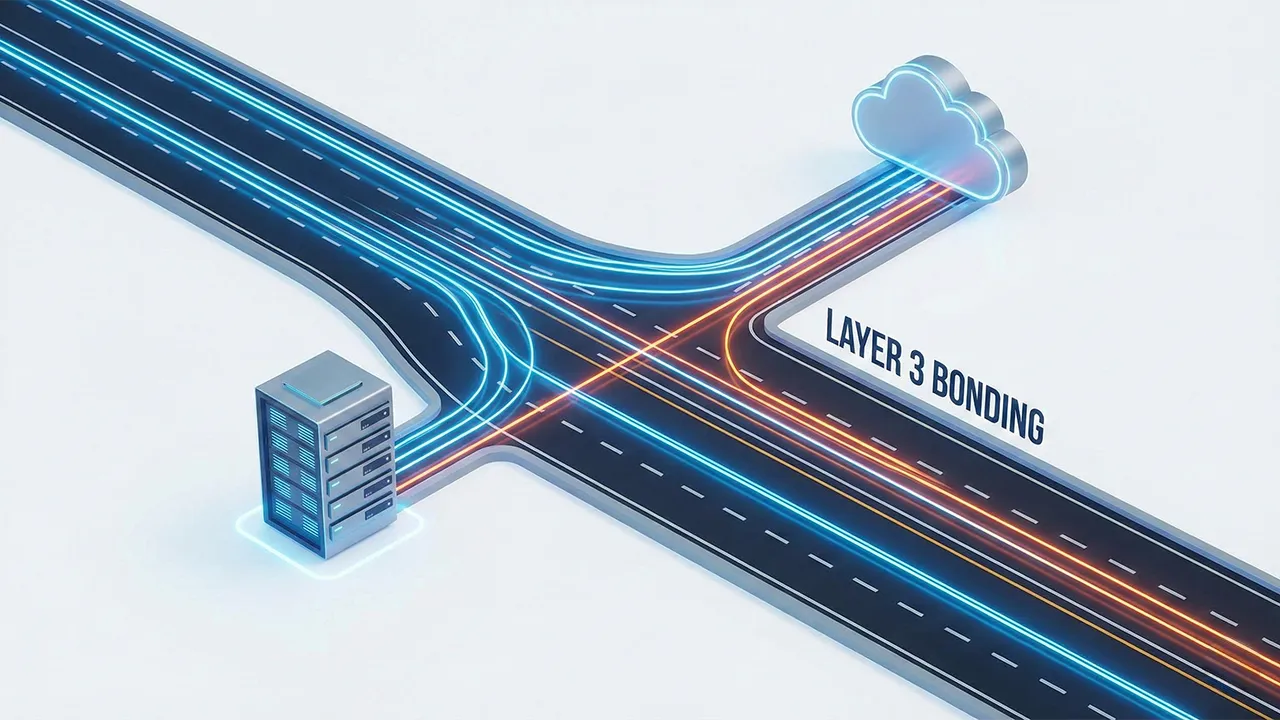
The telecommunications landscape is shifting rapidly. As businesses demand higher uptime and throughput, legacy technologies like SHDSL are struggling to keep pace. The solution lies in understanding the shift from physical link aggregation to intelligent Layer 3 Bonding.
While older methods served us well in the copper era, the modern internet requires a more agile approach. By moving the aggregation logic up the OSI stack, organizations can unlock flexibility that was previously impossible.
This guide explores why Layer 3 Bonding is not just an alternative, but the future of robust enterprise connectivity, and how solutions like comBOX are leading this charge.
Understanding the Legacy: Layer 2 Limitations
To understand the future, we must look at the past. SHDSL (Single-pair High-speed Digital Subscriber Line) is a data transfer technology that implements bonding at Layer 2 (the data link layer).
Historically, this allowed for higher transmission speeds than standard ADSL by mechanically combining up to four pairs of copper telephone lines. It provided symmetrical speeds ranging from 2 to 22 Mbps. For a long time, this was the gold standard for reliability.
However, Layer 2 bonding is rigid. It requires physical coordination at the exchange (DSLAM) and is bound by the limitations of the physical medium—usually copper. If the copper degrades, the connection suffers.
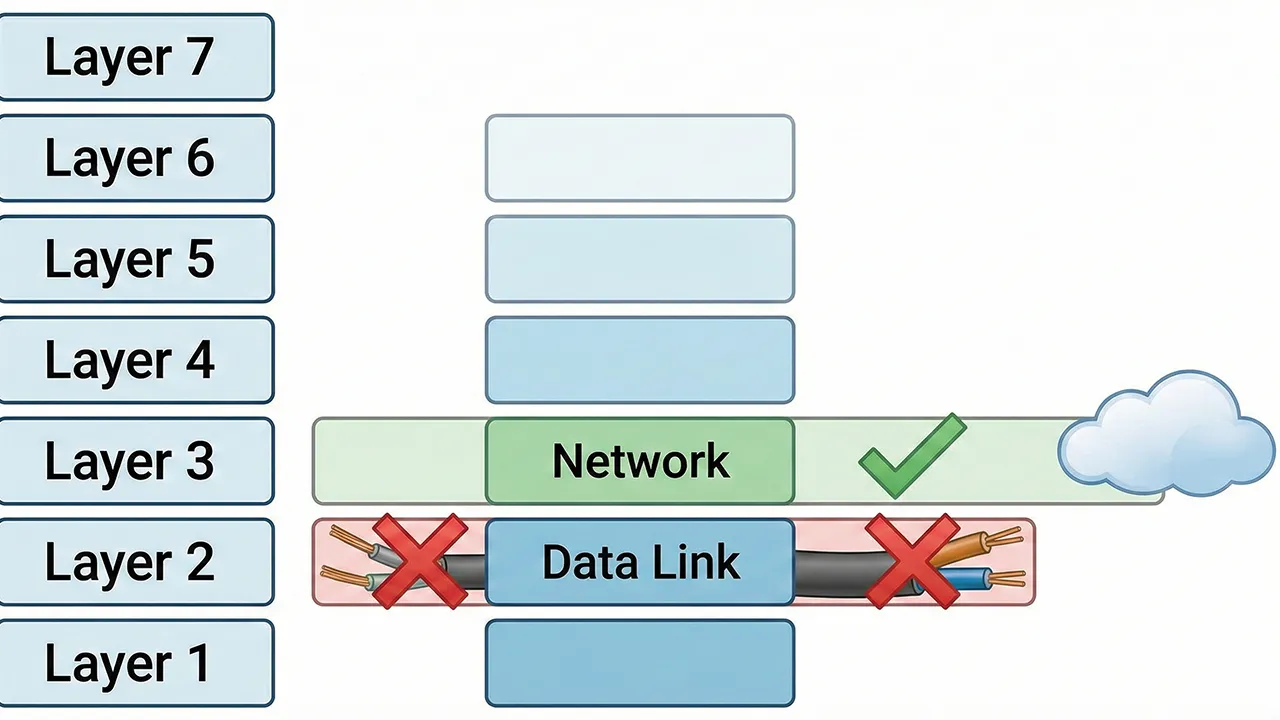
Layer 3 Bonding moves the intelligence from the wire to the packet, freeing your business from the constraints of physical geography.
The Rise of Layer 3 Bonding
Although Layer 2 technology was used extensively by ISPs in the past, Layer 3 Bonding (operating at the network layer) is the modern concept that has disrupted the market.
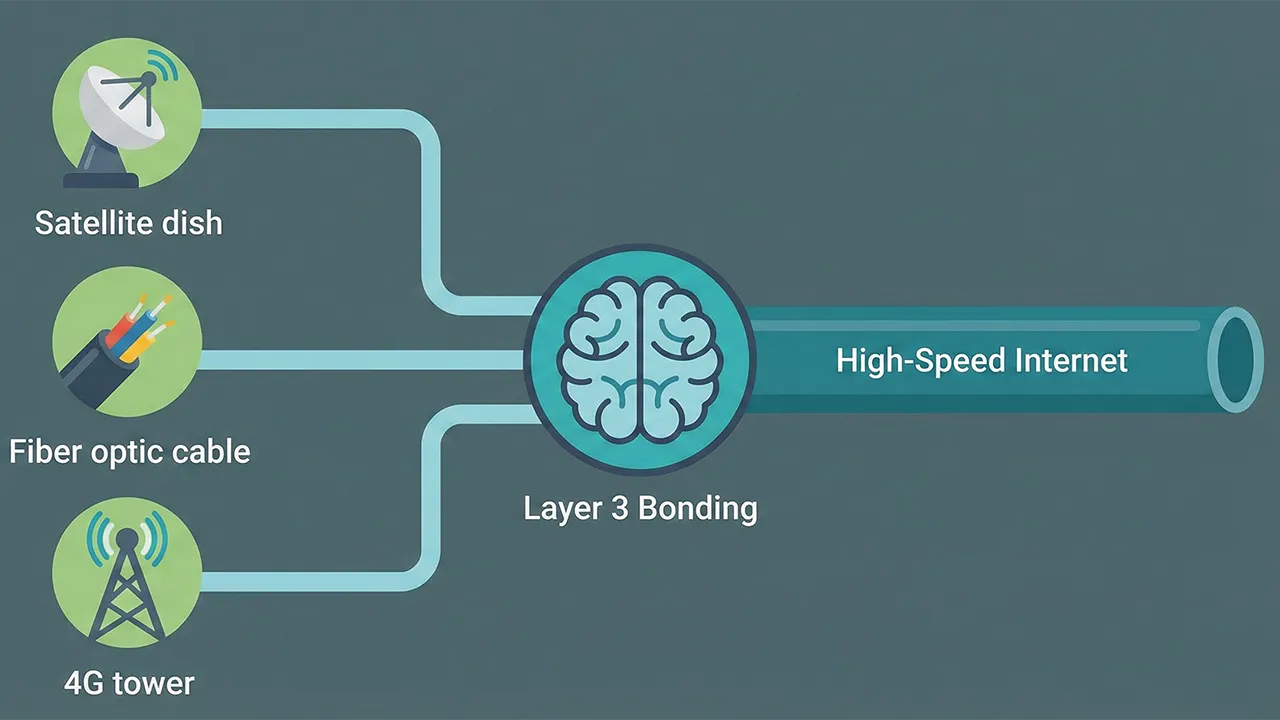
Unlike its predecessor, this technology aggregates bandwidth at the IP packet level. This distinction is critical. By managing data packets rather than physical frames, we gain the ability to combine disparate physical mediums into a single, robust pipe.
The advantage of bandwidth aggregation at this level is that it provides greater flexibility, higher aggregated speeds, and significantly lower implementation costs.
1. Unmatched Flexibility and Independence
The primary benefit of Layer 3 Bonding is independence from the Internet Service Provider (ISP).
In a Layer 2 scenario, you are locked into a single provider who must own the DSLAM and the copper lines. With Layer 3 Bonding, aggregation is carried out without requiring coordination with the ISPs. This is a game-changer for businesses in remote or difficult locations.
You can utilize alternative media such as the air—specifically wireless broadband connections and 4G, or 5G cellular networks. This allows for the provision of professional high-speed connections even in places outside urban areas with inadequate telecommunications infrastructure.
By utilizing comBOX services, companies can deploy connectivity instantly, without waiting months for physical line installation.
2. Cost Efficiency: Hardware vs. Software
The cost of implementing a leased circuit via Layer 2 technology is often prohibitive for small to mid-sized enterprises. It requires specialized equipment at two points:
- The Customer Premises.
- The DSLAM (Digital Subscriber Line Access Multiplexer) at the ISP exchange.
The equipment at the customer premises is much more expensive than conventional ADSL modems. Furthermore, the DSLAM equipment involves purchase and maintenance costs and needs to be hosted at a reserved space in the provider’s facility, which incurs a high monthly rental cost.
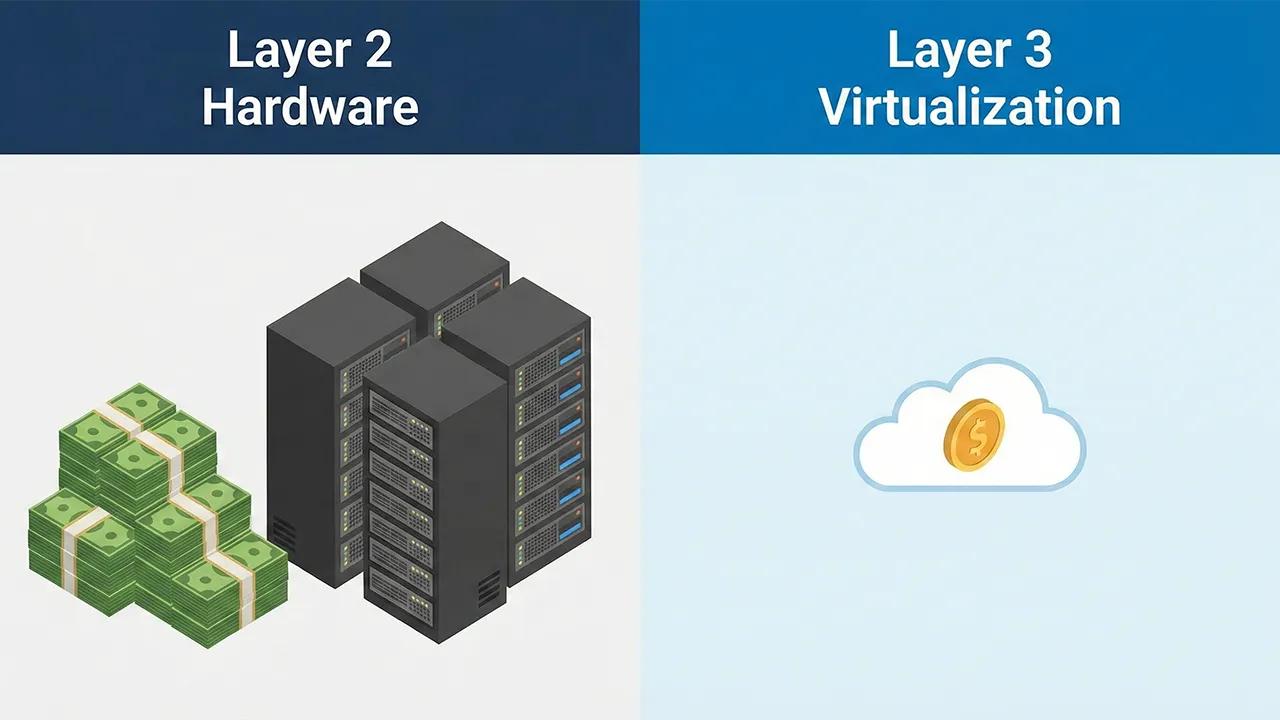
In contrast, Layer 3 Bonding technology shifts the heavy lifting to software. While the customer premises equipment (CPE) requires processing power for high throughput, the “other end” of the tunnel does not need to be in a local DSLAM.
3. The Virtual Advantage
With Layer 3 Bonding, the aggregation server can be deployed as a virtual appliance in any data center worldwide.
This eliminates the need for expensive colocation space in a local telephone exchange. The cost of renting space in a modern Data Center is a fraction of the cost associated with maintaining legacy DSLAM hardware. This virtualization lowers the barrier to entry and allows for rapid scalability.
4. Integrating “Air” and Land
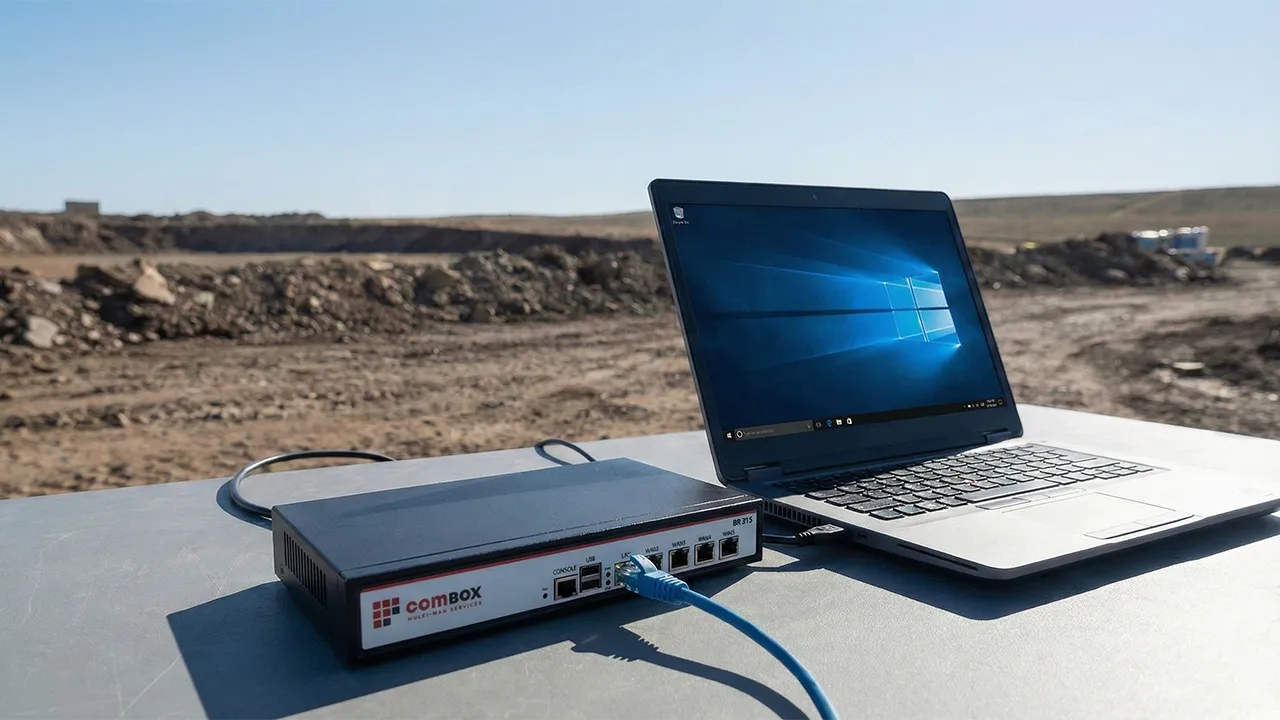
One of the most distinct features of Layer 3 Bonding is its ability to create a hybrid network. You can combine a stable but slow wired line with a fast but fluctuating wireless link.
This technology can be used to combine different means and providers to achieve even higher reliability. If a landline is cut by construction work, the packet-level routing instantly shifts traffic to the cellular or wireless link, maintaining the session without interruption.
This is where comBOX technology excels, utilizing advanced algorithms to smooth out the jitter and packet loss often associated with wireless links.
5. Superior Reliability through Diversity
Reliability in networking is about diversity. Layer 2 bonding usually bonds lines from the same bundle. If that bundle is damaged, the entire connection fails.
Layer 3 Bonding allows for True WAN Diversity. You can bond a line from Provider A, a line from Provider B, and a satellite link from Provider C. This creates a fail-safe environment where the risk is distributed.
The Future is Here
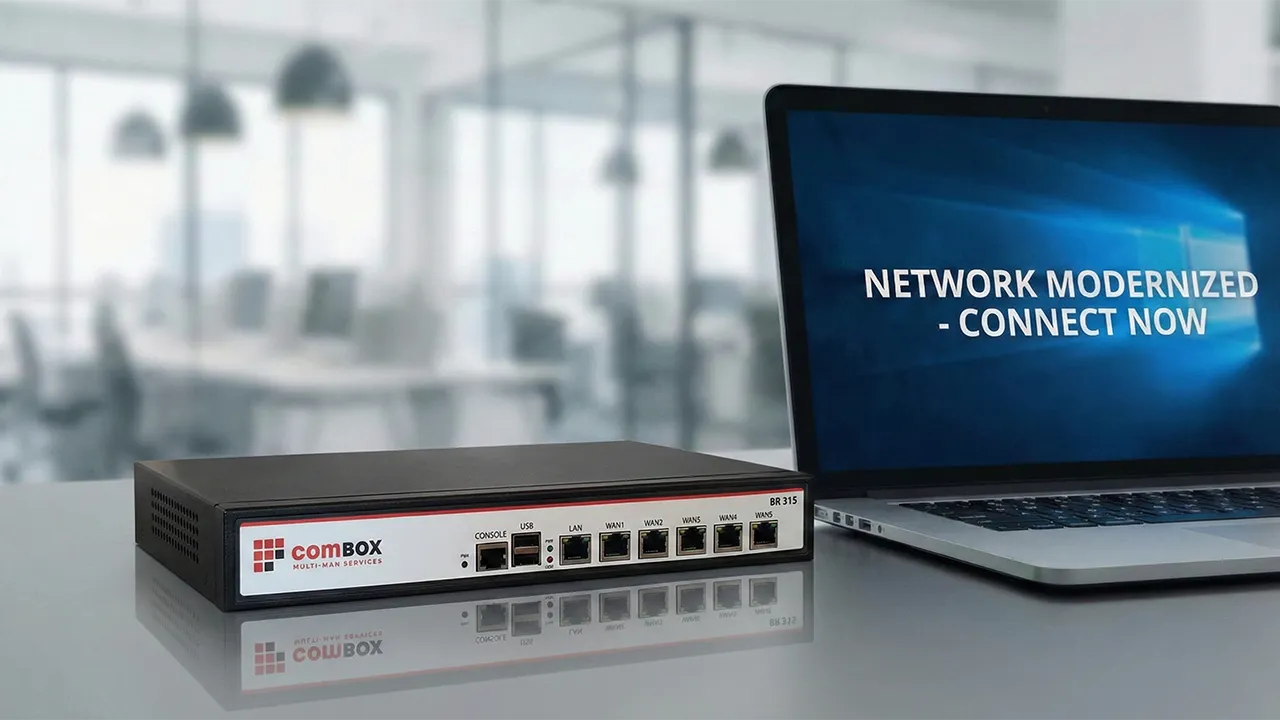
Everything indicates that Layer 3 Bonding is already here and has all the elements to prevail. It offers the speed businesses crave, the reliability they require, and a cost structure that makes financial sense.
By decoupling connectivity from the physical layer, businesses gain control. Whether you are operating a hotel, a maritime vessel, or a remote office, the ability to aggregate bandwidth intelligently is the key to staying online.
FAQ
What is the fundamental limitation of traditional Layer 2 bonding technologies like SHDSL?
Layer 2 bonding relies on physical copper pairs and requires coordination at the ISP’s DSLAM. It is rigid, geographically constrained, and dependent on cable quality. When copper deteriorates or the physical bundle fails, the entire bonded link fails. This architecture cannot meet modern uptime and flexibility requirements.
What makes Layer 3 Bonding fundamentally different from Layer 2?
Layer 3 Bonding shifts aggregation from physical frames to IP packets. This frees businesses from ISP-controlled infrastructure. By bonding at the packet level, organizations can combine completely different transport media — DSL, fiber, 4G/5G, wireless, satellite — into one unified, robust connection. This flexibility is impossible with Layer 2 technologies.
Why is Layer 3 Bonding more cost-efficient for businesses?
Layer 2 solutions require specialized hardware on both ends — customer premises and ISP DSLAM — which increases installation, hosting, and maintenance costs. Layer 3 Bonding moves intelligence into software, drastically reducing infrastructure expenses. The aggregation server can be virtualized in any data center, eliminating costly colocation requirements tied to legacy copper systems.
How does Layer 3 Bonding enable instant deployment in remote or underserved areas?
Because Layer 3 Bonding operates independently of the physical copper network, businesses can use wireless broadband, 4G/5G cellular, or hybrid combinations to provide high-speed internet even where landline infrastructure is inadequate. comBOX solutions allow organizations to activate enterprise-grade connectivity immediately—no waiting for ISP infrastructure upgrades.
What reliability advantages does Layer 3 Bonding offer compared to Layer 2?
Layer 3 Bonding supports true WAN diversity. Instead of bonding multiple lines from the same physical cable bundle, it allows combining completely different providers and media — for example, fiber + LTE + satellite. If one link is cut or unstable, traffic is instantly rerouted without session interruption. This packet-level resilience is something Layer 2 bonding cannot achieve.
Why is Layer 3 Bonding considered the future of enterprise connectivity?
Layer 3 Bonding delivers unmatched flexibility, hybrid media support, true diversity, lower costs, and seamless reliability. As businesses demand higher uptime, mobility, and cloud performance, Layer 3 Bonding outperforms legacy methods and aligns with modern connectivity needs. It enables companies in any sector, hotels, maritime, remote offices, to stay online regardless of physical limitations.


